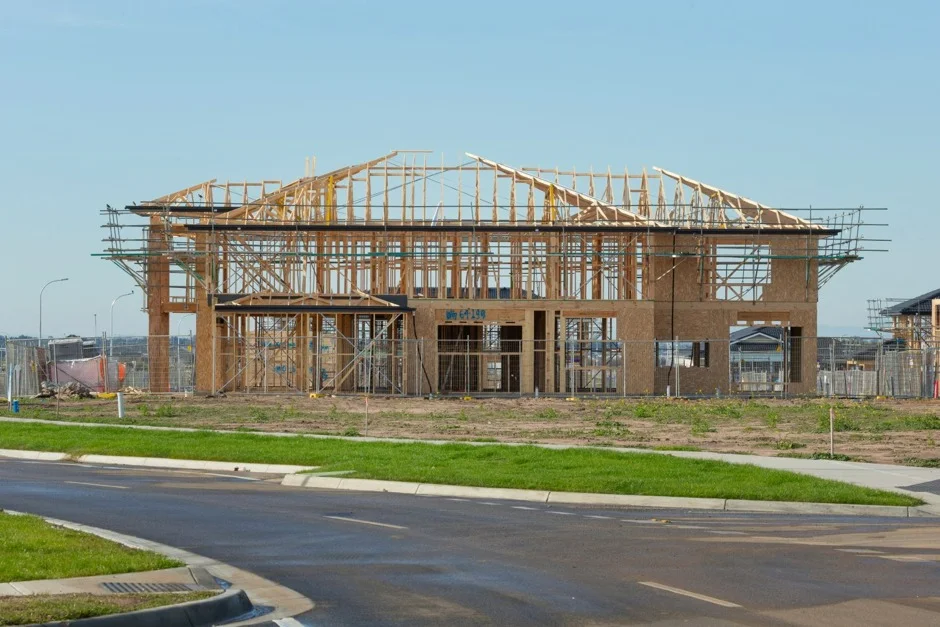

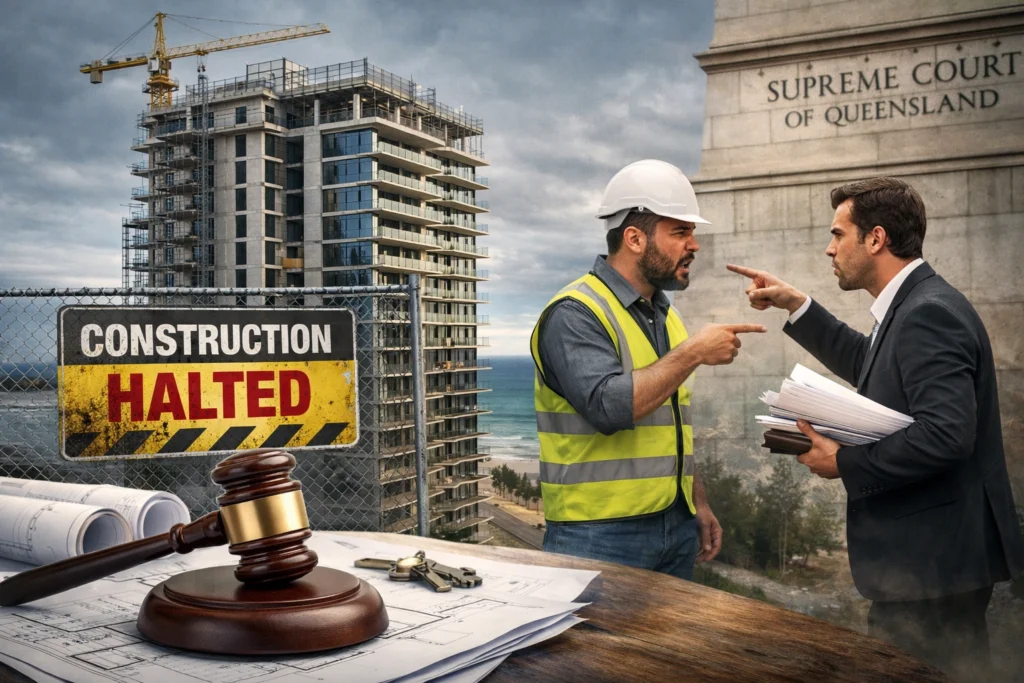
A dispute between a developer and builder on a near-complete Mermaid Beach tower has highlighted potential risks for off-the-plan buyers, with the builder’s contract terminated and the matter now before the Supreme Court of Queensland. The dispute centres on alleged delays and issues with subcontractor payments.
Situations like this can interrupt construction and extend the timeframe for completion, particularly where a new builder needs to be appointed or legal issues remain unresolved. The key issue for buyers is not just delay, but how these changes interact with the terms of their contract.
In most cases, the contract itself continues despite what is happening on site. This makes it essential to understand how off-the-plan agreements are structured and what rights are actually available when a project runs into difficulty, often with guidance from a Gold Coast property lawyer.
How disputes between developers and builders affect buyers
An off-the-plan buyer is usually contracting with the developer, not the builder. That structure determines how risk is allocated, because issues between the developer and builder are managed within the project without automatically changing the buyer’s agreement.
As a result, any disruption to construction is dealt with under the existing agreement, rather than creating a new right or outcome for the buyer, which is why many buyers seek advice from property lawyers or a commercial lawyer on the Gold Coast when disputes arise.
Where a builder is terminated, the developer may:
- appoint a replacement builder
- step in to complete the works
- adjust construction timelines or delivery expectations
This allows the project to continue, but often with a revised timeline, which brings the focus back to how the contract deals with delay and risk allocation, an area frequently handled by commercial lawyers and lawyers for litigation.
Does the dispute affect your contract?
Off-the-plan contracts in Queensland are drafted to account for delays and construction risks. Most include clauses dealing with:
- extensions of time
- delays caused by external factors
- changes to construction timelines
- sunset dates
These provisions are enforceable under Division 4 of Queensland’s Land Sales Act, which governs many aspects of property transactions in the state. For unit sales, sunset dates are regulated by Division 4 of the Body Corporate and Community Management Act.
Because these mechanisms are built into the contract, changes on site do not usually alter the agreement itself. Instead, the outcome depends on whether a specific clause is triggered, such as a failure to complete by a required date, which may require advice from a civil litigation lawyer.
This is why attention often turns to financial exposure, particularly the treatment of the deposit.
Is your deposit safe?
Deposits for off-the-plan purchases are usually held in a trust account, often by a solicitor or real estate agent. This structure provides a level of protection:
- the deposit is not held by the builder
- it cannot be accessed during a dispute
- it is only released in accordance with the contract
This means the deposit is generally protected while the project continues, regardless of construction issues. However, deposit protection does not determine whether a buyer can exit the contract, which depends on separate contractual rights and may involve advice from a conveyancing lawyer or conveyancing solicitors on the Gold Coast.
Can you get out of the contract?
Termination rights are usually limited and depend on the contract terms. Common triggers include:
- failure to complete by the sunset date
- a substantial breach of contract by the developer
- failure to register title
Changes to sunset clause laws in Queensland mean developers cannot simply terminate a contract to resell at a higher price. Amendments require either buyer consent or court approval in many cases.
Outside of these triggers, the agreement will generally continue, even where the construction program changes. This places greater importance on how sunset clauses operate in practice, often requiring guidance from a property litigation lawyer.
What happens to your sunset clause if construction stalls?
The sunset clause sets the deadline for completion of the development. If that date is reached before the project is finished, termination rights may arise.
When construction stalls due to disputes:
- developers may rely on extension clauses in the contract
- delays can push projects closer to the sunset date
- buyers may need to wait until the contractual trigger is reached
Courts in Queensland may consider whether extensions have been applied correctly and whether delays fall within the scope of the contract.
In practical terms, this means a project can be delayed without immediately triggering a right to exit, even where progress has slowed significantly.
Construction may pause while disputes are resolved, and further time may be required if a new builder is engaged. This can shift completion and settlement dates, which may affect financing and planning without changing the underlying agreement, often leading buyers to seek advice from a Gold Coast lawyer or Gold Coast solicitor.
What the Mermaid Beach dispute highlights
The current dispute also reflects broader pressures within the construction sector, including:
- disagreements over defects and workmanship
- payment disputes with subcontractors
- cost pressures and delays
Late-stage disputes are particularly disruptive because they arise close to completion, when buyers are expecting settlement to proceed. This highlights the importance of understanding how contractual risk is structured before entering into an agreement.
What buyers should consider before signing
Off-the-plan contracts are complex and often favour the developer. Understanding key terms before signing is essential. Important areas to review include:
- sunset clause dates and extension rights
- deposit arrangements and protections
- delay and variation clauses
- the developer’s track record and financial position
Careful review of these provisions can help identify how delays, changes and disputes will be managed under the contract, rather than leaving those outcomes uncertain, particularly when working with a Gold Coast business lawyer.
How to protect your position before you sign
Disputes between developers and builders can interrupt construction and extend project timelines, but they do not usually alter the contract itself. Buyers remain bound by the agreement unless a specific contractual right is triggered.
The Mermaid Beach dispute illustrates how these situations can arise even in advanced stages of a project. Understanding how contract terms operate in practice allows buyers to assess risk more clearly before committing to an off-the-plan purchase.
Understanding the fine print in an off-the-plan contract can make a significant difference to the outcome of a property purchase. If you are considering buying property on the Gold Coast and want advice about contract risks, sunset clauses or your rights during construction disputes, contact QBM Lawyers to discuss your situation and understand your legal options before signing.
Frequently Asked Questions
No. The contract is with the developer, so it generally remains valid unless a contractual termination right is triggered. If you are unsure, a property litigation lawyer can review your contract and explain your position.
Deposits are usually held in trust and remain protected, unless the contract allows otherwise. A conveyancing lawyer can confirm how your deposit is held and when it may be released.
Only if the delay triggers a right under the contract, such as reaching the sunset date or a serious breach. A commercial lawyer on the Gold Coast can help determine whether your contract allows termination.
The developer can appoint a new builder and continue the project, although delays are common. A Gold Coast property lawyer can advise on how this may affect your timeline.
Seek legal advice to understand your rights and options under the co Seek legal advice to understand your rights and options under the contract and Queensland law. Speaking with a Gold Coast lawyer experienced in property matters can help you make informed decisions.